
Introduction: Why Plain Charts Aren't Enough Anymore
In the modern business landscape, the volume of data generated is staggering. Traditional dashboards—while useful for historical reporting—often fall short when it comes to identifying hidden patterns in real-time. Simply plotting points on a graph is no longer sufficient for organizations that need to stay competitive. The integration of Machine Learning (ML) transforms data visualization from a passive reporting tool into an active, intelligent partner.
1. Anomaly Detection in Visual Datasets
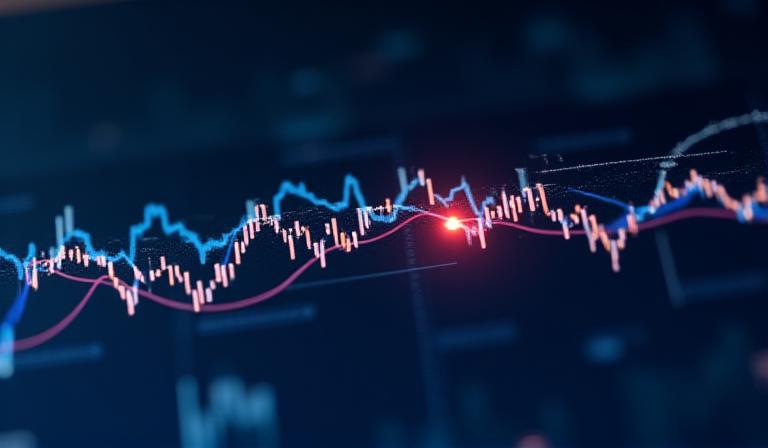
Human eyes are great at spotting trends, but they can easily miss subtle outliers in complex, multi-dimensional datasets. Machine Learning algorithms constantly scan your incoming data streams to identify anomalies as they happen. In a Boreas Automate dashboard, these isn't just a list of errors; it's a visual alert that highlights exactly where and why a metric has deviated from the norm.
2. Automated Metric Pairing and Relationship Discovery
Oftentimes, the most valuable insights come from the correlation between two seemingly unrelated metrics. ML-enhanced visualization automatically pairs variables to discover hidden relationships—such as how server latency might be impacting customer churn in a specific region. Instead of you hunting for these connections, our system surface them visually, providing a narrative path through your data.
Conclusion: Visualizing Smarter, Not Harder
The goal of machine learning in dashboarding is not to replace human decision-making, but to empower it. By automating the discovery of patterns and the detection of errors, Boreas Automate ensures that your team spends less time analyzing what happened and more time strategizing what to do next. Predictive visualization is the future—and it’s already here.